

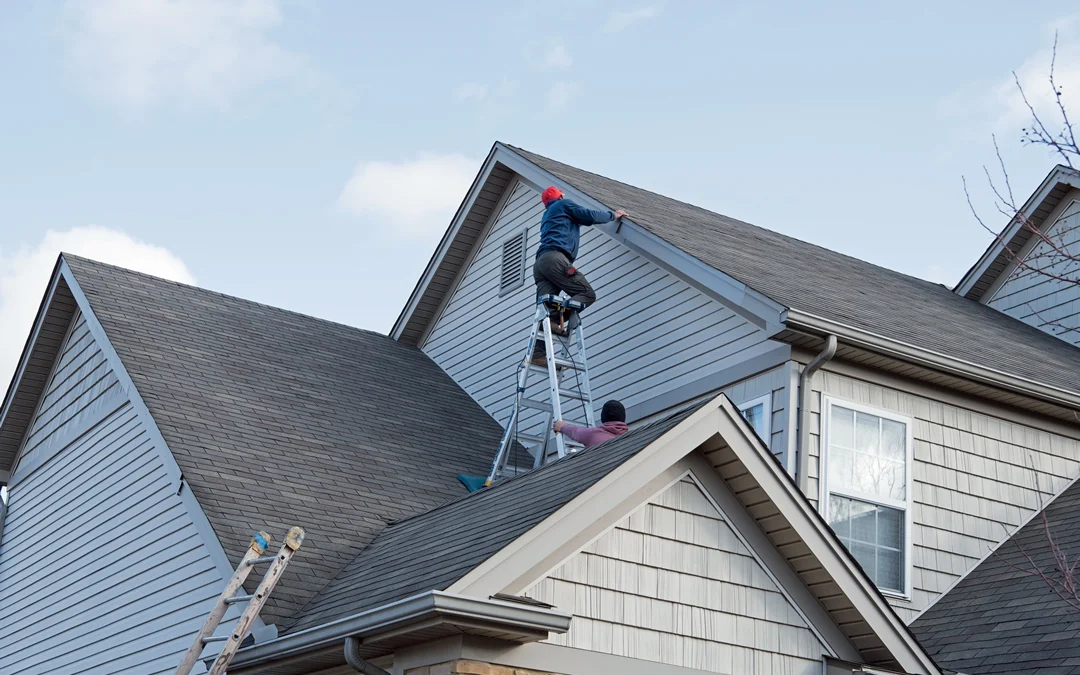
Owning a home in Florida means your roof works harder than it would in most parts of the country. Constant sun exposure, heavy rain, high humidity, and hurricane season all take a toll over time. Roof maintenance in Florida is not about reacting when something breaks. It is about staying ahead of damage before it becomes visible inside your home.
This guide walks Florida homeowners through what to watch for, when to check their roof, and when it makes sense to call a professional.
How Florida Weather Affects Your Roof
Florida roofs are exposed to year-round ultraviolet radiation that dries out shingles and weakens protective coatings. Heat causes materials to expand daily, while afternoon storms force them to contract quickly as temperatures drop. Over time, this movement loosens fasteners and stresses flashing.
Humidity adds another layer of risk. Moist air trapped in attic spaces encourages mold growth and wood rot, while shaded roof areas often develop algae that holds moisture against roofing materials. In coastal areas, salt air accelerates corrosion on metal components.
Because of these factors, Florida roofs typically require more frequent inspections than roofs in cooler climates.
Preparing Your Roof Before Hurricane Season
Hurricane season is not the time to discover weaknesses in your roof. A visual inspection before storm season helps prevent preventable damage.
During this inspection, homeowners should focus on areas most vulnerable to wind and water intrusion.
Pre-hurricane season checklist:
- Shingles or tiles that appear lifted, cracked, or uneven
- Flashing around vents, skylights, chimneys, and roof edges
- Gutters and downspouts that may be clogged or pulling away
- Debris buildup that could trap water or become windborne
If anything looks questionable, it is best to address it early. Scheduling a professional inspection or minor roof repair service before hurricane season often prevents much larger repairs later.
Monitoring Your Roof During Summer Heat and Storms
Florida summers bring relentless heat and frequent storms. This is when small problems often become noticeable.
Heat-related damage may show up as curling shingles, cracked tiles, or surface blistering. Heavy rain can expose flashing failures or drainage issues. After strong storms, even if the roof looks intact, wind uplift can loosen materials without tearing them off completely.
Inside the home, homeowners should keep an eye on attic conditions. Excessive heat, damp insulation, or musty odors often indicate ventilation or roofing issues that are not visible from outside.
Checking Your Roof After Severe Weather
After a strong storm or high winds, a basic inspection helps catch damage early. Homeowners should avoid climbing onto the roof and instead inspect from the ground and inside the home.
- Post-storm warning signs include:
- Missing or shifted shingles or tiles
- Shingle granules collecting in gutters
- New ceiling stains or discoloration
- Water dripping from unexpected locations
If any of these appear, a professional inspection is recommended. A licensed Florida roofer can determine whether repairs are needed or if the damage qualifies for insurance consideration.
Exterior Roof Inspection Basics for Homeowners
Homeowners can learn a lot by simply observing the roofline and exterior components. Uneven rooflines, sagging areas, or sections that look out of alignment often indicate structural or material issues.
Flashing should lie flat and appear secure. Rust, gaps, or separation are signs water can enter. Fascia and soffits should be free from peeling paint or dark staining, which often signals moisture problems.
Gutters should remain firmly attached and direct water away from the home. Overflow during rain is often the first sign of a blockage or improper slope.
Interior Signs That Should Never Be Ignored
Roof problems often reveal themselves inside before they become obvious outside. Ceiling stains, even small ones, almost always indicate a leak. Bubbling paint, soft drywall, or discoloration around light fixtures should be investigated promptly.
In the attic, homeowners should look for damp wood, mold growth, or compressed insulation. Rising energy bills can also signal roof or ventilation issues that allow heat to enter the home.
If interior symptoms are present, contacting a professional Florida roofing contractor is the safest next step.
Gutter and Drainage Maintenance in Florida
Florida rainstorms are intense and sudden, which makes drainage critical. When gutters are clogged, water backs up under roofing materials and spills onto siding and foundations.
Gutters should be cleaned several times per year, especially before and during storm season. Downspouts must carry water far enough away from the home to prevent erosion and foundation issues.
Proper drainage protects not just the roof, but the entire structure.
Preventing Algae, Mold, and Moisture Damage
Algae and mildew are common on Florida roofs, particularly in shaded areas. While many homeowners see this as a cosmetic issue, organic growth traps moisture and accelerates material breakdown.
Pressure washing often causes more harm than good by stripping protective granules or cracking tiles. Professional roof cleaning methods remove growth safely and help extend roof life without damage.
DIY Maintenance Versus Professional Inspections
Some maintenance tasks are safe for homeowners, while others are not worth the risk.
- Tasks homeowners can safely handle:
- Visual inspections from ground level
- Gutter cleaning using proper safety precautions
- Monitoring attic conditions for moisture
Walking on the roof, sealing flashing, or replacing materials should be left to professionals. Improper repairs can compromise wind resistance and void warranties.
Creating a Florida-Specific Roof Maintenance Schedule
A consistent maintenance schedule is far more effective than reacting to leaks.
Most Florida homeowners benefit from visual inspections several times per year and professional inspections annually or after major storms. Older roofs or homes in high-wind areas may require more frequent evaluations.
Keeping records of inspections and repairs helps with resale value and insurance claims.
When to Call a Roofing Professional
If you notice ongoing leaks, storm damage, missing materials, or interior moisture, it is time to call a professional. Early intervention protects the structure of your home and reduces long-term costs.
Fahey Roofing Contractors provides inspections, repairs, and roofing services tailored to Florida homes and weather conditions. Request an free roof evaluation or estimate today.